


In short
- 01Gingivitis firstGum disease usually starts as gingivitis, causing redness, swelling and bleeding gums.
- 02Deep cleaningScaling removes plaque and tartar from tooth surfaces and gum pockets.
- 03Surgery when neededAdvanced cases may need procedures such as curettage or gingivectomy to clean deep gum pockets.
Periodontology is the branch of dentistry that treats gum disease: inflammation of the tissues that surround and support the teeth. The most common form is gingivitis, which causes redness, swelling and bleeding in the gums and is usually linked to poor oral hygiene, irregular brushing and skipping flossing. Left untreated, gingivitis can progress to a more serious condition.
Common gum diseases
If gingivitis isn’t treated, it can develop into periodontitis, a more serious disease in which the gums form deep pockets around the teeth and bone loss can occur. Periodontitis can seriously damage the tissues that support the teeth. Other common gum conditions include:
- Chronic periodontitis
- Gum recession
- Gum enlargement
- Necrotising gum disease
Gum pockets are deepened spaces between the gum and tooth that let bacteria accumulate and cause infection; they’re usually a symptom of periodontitis. Gum recession, where the tooth root becomes exposed, happens as the gum pulls back and can cause sensitivity. Brushing technique, genetics and age all play a role.
Causes of gum disease
Gum disease has several common causes: heavy smoking, genetic predisposition, hormonal changes such as pregnancy or menopause, and systemic conditions such as diabetes and stress. Poor dental care, poor eating habits and inadequate oral hygiene also increase the risk, and some medications can contribute to gum problems.
Symptoms of gum disease
Symptoms depend on the stage of the disease. Early on, gums may look red and swollen and bleed easily. Later stages can bring bad breath, gum recession and loose teeth, along with discharge between the teeth and gums in some cases, and changes in how the upper and lower teeth meet when biting. Catching the symptoms early makes treatment more straightforward.
How gum disease is treated
Gum disease is treated with early diagnosis and regular care, and surgery usually isn’t needed. Treatment varies from person to person depending on the severity of the disease and the individual’s general health.
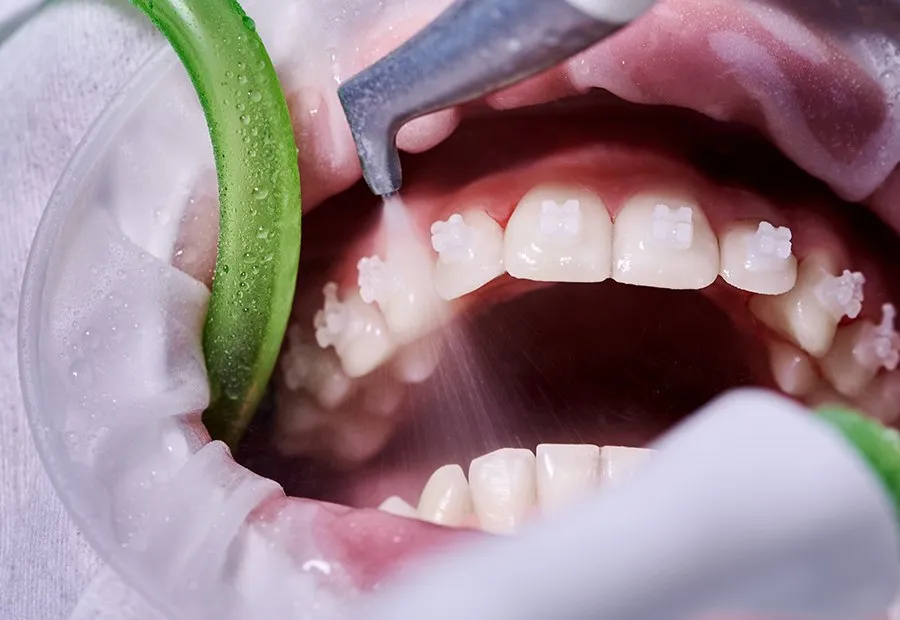
In the initial stage, professional cleaning removes plaque and tartar, the hard mineral deposits that build up on tooth surfaces. The dentist or periodontologist cleans the tooth surfaces and the deposits in the gum pockets, using ultrasonic instruments or hand tools; this scaling is an important step in preventing and healing gum disease.
Antibiotics may be recommended to control bacterial infection, applied either systemically or locally. In more advanced disease, surgical intervention may be needed to clean the gum pockets, correct bone loss or reshape gum tissue; subgingival curettage and gingivectomy are common examples, alongside root surface correction. How long treatment takes depends on the severity of the disease and the method used.
Preventing gum disease
Regular dental examinations are one of the most effective ways to catch problems early. Brushing correctly at least twice a day limits plaque and tartar build-up, and flossing clears debris between the teeth. A balanced diet also helps prevent gum disease. If you notice any symptoms, see a specialist rather than waiting.
With any surgical or interventional procedure, results can vary from person to person.

You are reading about Periodontology. Ask me anything about it, or pick a question below.
Frequently asked questions
How can you recognise inflammation in the gums?
Healthy gums don't bleed when you brush. A pink or red tinge in the sink after brushing is an important sign of gum inflammation.
Is there a link between diabetes and periodontal disease?
The bacteria that cause periodontal disease, and the substances they release, are linked to diabetes. Diabetic patients whose condition is not well controlled tend to develop more periodontal disease than those with controlled diabetes and the same level of oral hygiene.
Is gum disease a sign of cancer?
Occasionally. Bleeding or swollen gums, swelling in the neck and difficulty swallowing can sometimes signal cancer, but they usually don't. A full examination is needed to tell the difference, and not every gum disease symptom points to cancer.
Videos
Send us your panoramic X-ray
Our professors reply with a treatment plan.