

In short
- 01Fixed vs removableFixed prostheses are placed permanently and only the dentist can remove them, while removable dentures can be taken out by the patient.
- 02Implant-supported optionImplant-supported prostheses attach to titanium implants in the jawbone for extra stability.
- 03Adjustment takes timeGetting used to a new denture varies from person to person, and eating slowly with small bites helps.
Tooth loss affects how you speak, chew and smile, and can weigh on confidence if it is left untreated. Regular brushing, flossing and dental check-ups help prevent it. When teeth are already missing, fixed and removable dentures replace them, restoring both function and appearance. Prosthodontics is the branch of dentistry that designs and fits these prostheses.
What is a fixed prosthesis?
A fixed prosthesis is a non-removable replacement, permanently placed where one or more teeth are missing. Only your dentist can fit or remove it. Options include:
- Implant-supported fixed prostheses
- Dental bridges
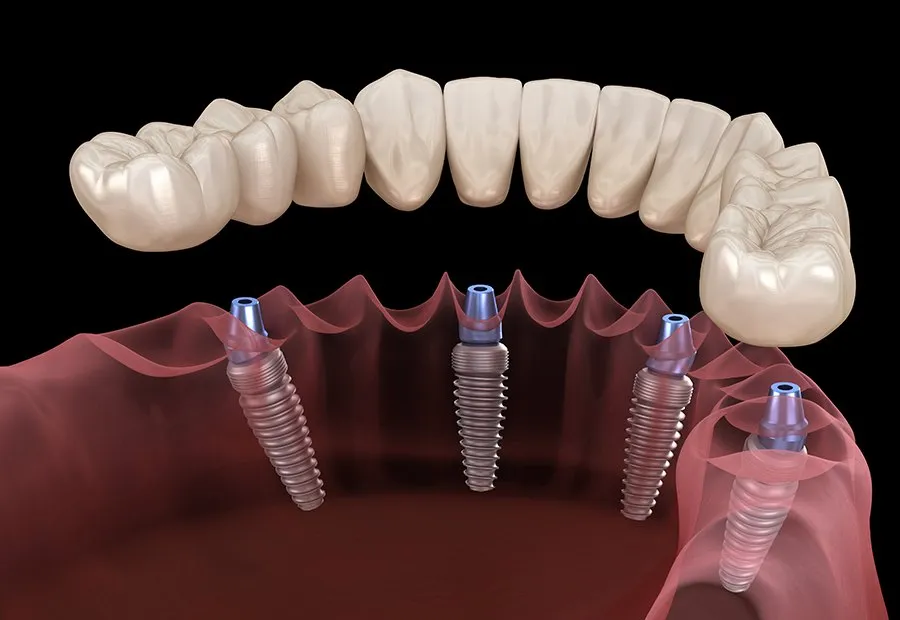
All-on-4 and All-on-6 are implant-supported options that replace a full arch of teeth. Fixed prostheses are designed to look and function much like natural teeth.
Implant-supported prostheses attach to titanium implants placed in the jawbone. They distribute chewing load across the jawbone in a similar way to natural teeth, which gives good stability.
What is a removable prosthesis?
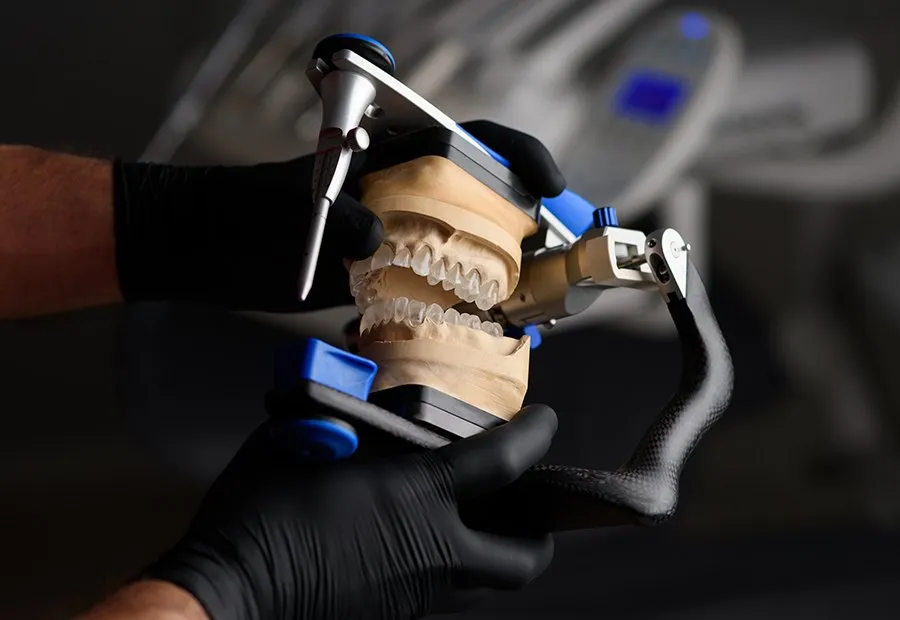
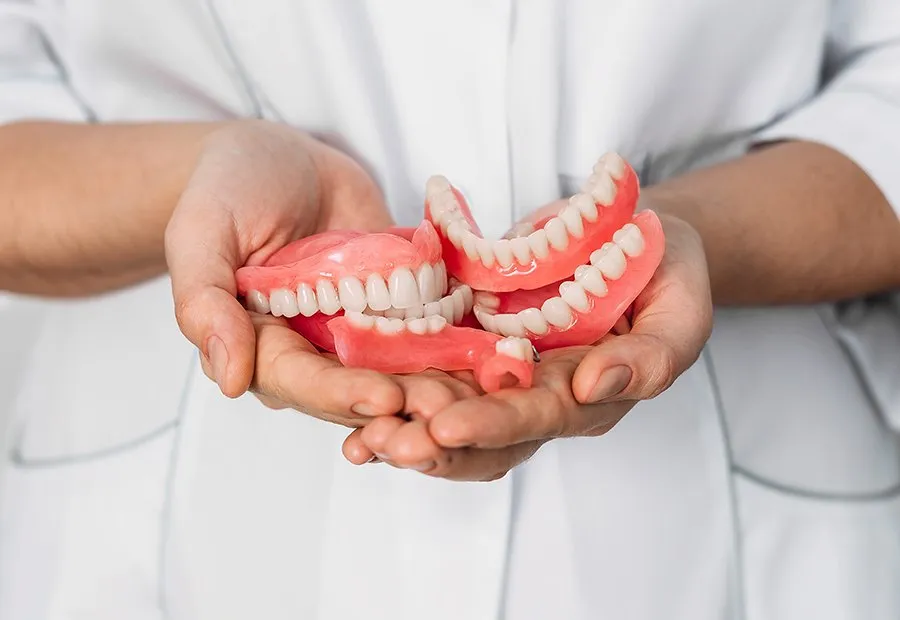
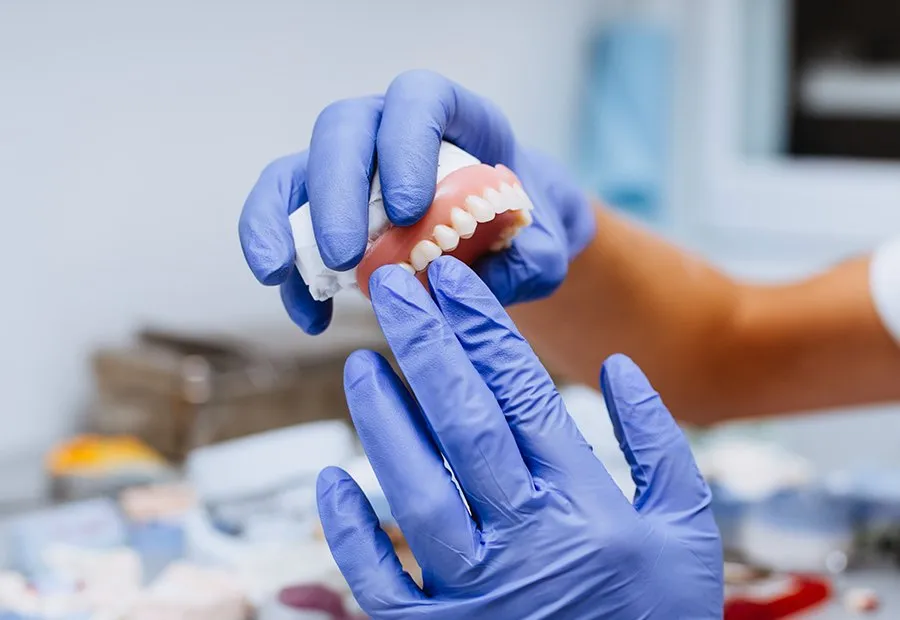
A removable denture replaces missing teeth, either temporarily or permanently, and you can take it out and put it back in yourself. It is custom-made to fit the gaps in your mouth, including a removable partial denture for a single missing tooth. Materials and techniques have improved over time, so removable dentures generally look and function better than older versions did. How long it takes to adjust to one varies from person to person.
Types of removable prostheses
Removable dentures fall into two main types.
A removable partial denture is used when some natural teeth remain. It attaches to those teeth with clasps or precision attachments that you can take out and put back in, filling the gap both aesthetically and functionally. Depending on the case, the base may be acrylic or a cast metal framework.
A complete denture, sometimes called a full denture or “total prosthesis”, is made when every tooth in the mouth has been extracted. It is usually made from acrylic.
An immediate denture is fitted straight after extractions, so you are not left without teeth while your gums heal and the permanent denture is made.
Caring for removable dentures
Removable dentures can be worn even when no natural teeth remain, and suction-retained (palatal, or “vacuum”) dentures are an option for some patients. Clean them with a denture-specific brush and a cleaning gel or tablet rather than ordinary toothpaste, and check with your dentist before using any stain-removing product, as not all of them suit every denture. Regular cleaning also helps the denture last.
How is a fixed or removable prosthesis chosen?
Your dentist chooses between fixed and removable options based on how many teeth are missing, the condition of your jawbone and gums, and your functional and aesthetic needs. Fixed options such as implant-supported prostheses or bridges tend to look and feel closer to natural teeth and support chewing well. Removable dentures are easier to clean and maintain, but they do not support chewing function as well as fixed prostheses.
With any surgical or interventional procedure, results can vary from person to person.
You are reading about Fixed and removable dentures (prosthodontics). Ask me anything about it, or pick a question below.
Frequently asked questions
Is it easy to speak with fixed or removable dentures?
Some removable denture wearers notice changes in their speech during the first few days. Reading aloud and repeating words with sounds such as "s, sh, ch, f" can help, and normal speech usually returns within a short time.
How often should prostheses be replaced?
Dentures do not last indefinitely. Removable dentures typically need replacing every 5 to 10 years, because changes inside the mouth over time can make them loosen even when the denture itself has not failed. Your dentist decides whether to adjust the existing denture or make a new one.
How long does it take to get used to fixed or removable dentures?
Adjustment time varies from person to person. Some patients adapt almost immediately, others take longer. Eating slowly with small bites, keeping your lips closed while chewing, choosing soft foods at first, and chewing evenly on both sides can help.
Send us your panoramic X-ray
Our professors reply with a treatment plan.