

In short
- 01Local anaestheticThe area is numbed with local anaesthetic, so you shouldn't feel pain during the procedure.
- 02Cleaning and fillingThe infected pulp is removed, the canals shaped, and then filled with a special filling material.
- 03Temporary then permanentA temporary filling protects the tooth until a permanent filling or crown is placed.
“Endodontics” combines two roots meaning “inside” and “tooth”, and the field treats the living tissue inside a tooth, the nerves and blood vessels within what’s called the pulp, along with disease in the tissue surrounding the tooth. A dentist who specialises further in this area is called an endodontist. Root canal treatment is the procedure most closely associated with it.
Why root canal treatment is needed
Root canal treatment may be needed when the pulp inside a tooth becomes inflamed or damaged, usually because the nerve tissue inside the tooth has become infected. Common causes include:
- Tooth decay
- Tooth trauma
- Infection
- Recurrent dental abscess
Advanced tooth decay is one of the most common causes, when decay reaches into the tooth and affects the living tissue inside. Cracks or fractures from an impact to the tooth can have the same effect, as can inflammation and abscess formation. Constant pain, sensitivity or a throbbing sensation in the tooth can also lead a dentist to recommend treatment. Without it, the usual next step is tooth loss.
How root canal treatment is performed
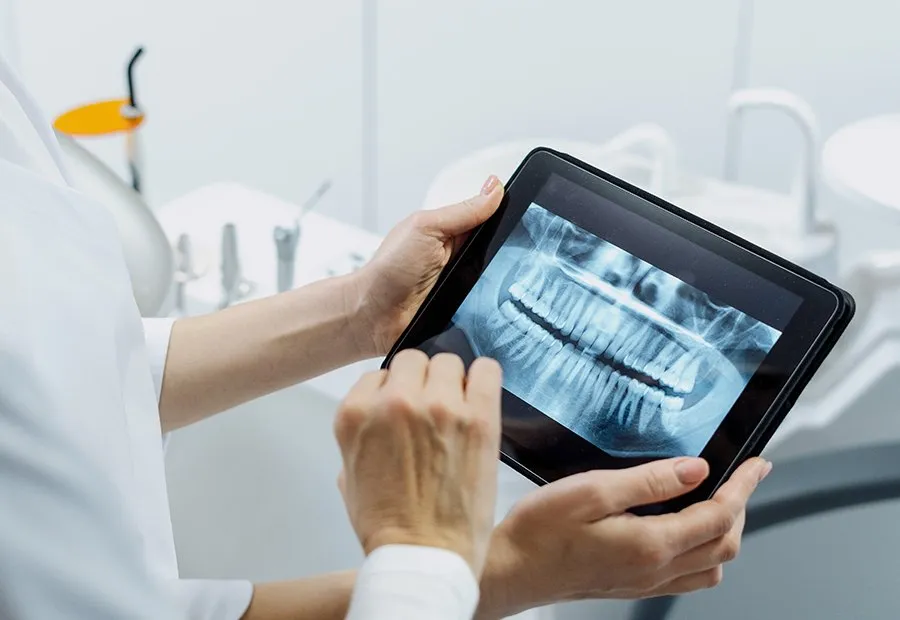
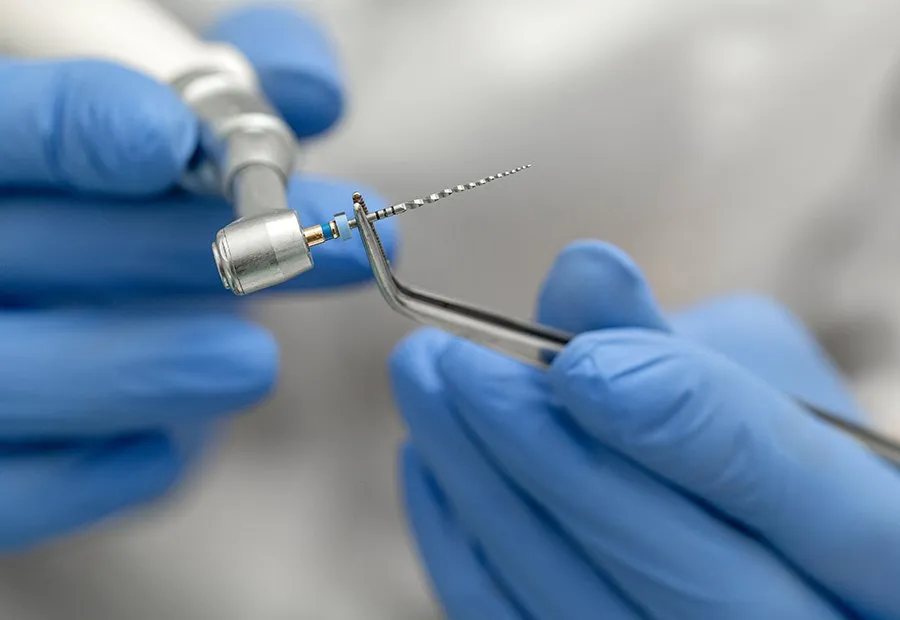
The process starts with a detailed examination, including X-rays where needed, so the dentist can see how far the problem has progressed. Local anaesthetic numbs the area, so you should not feel pain during the procedure. The dentist then removes the inflamed or damaged pulp from inside the tooth using small specialised instruments. Once the area is clear of infection, the canals inside the tooth are shaped using specially designed files and irrigating solutions. The cleaned and shaped canals are then filled with a special filling material to protect the tooth’s internal structure and reduce the risk of reinfection. The tooth is usually covered with a temporary filling first, then fitted with a permanent filling or crown once healed.
Before treatment
The examination before root canal treatment sets the plan for what follows. The endodontist examines the internal structure of the tooth in detail, takes X-rays where necessary, and explains the treatment plan. This is also the point to describe your symptoms and expectations clearly, since treatment success depends on a thorough preliminary examination.
After treatment
Mild pain and swelling are normal after root canal treatment. Painkillers recommended by your dentist, along with cold compresses, help manage this. If a temporary filling has been placed, take care not to damage it, and avoid hard or sticky foods in the meantime. Attend the follow-up appointments your dentist schedules, since these confirm the treatment has succeeded and catch any complications early.
Oral hygiene matters as much as ever during this period. Regular brushing and flossing reduce the risk of infection, and a dentist-recommended mouth rinse can help, though rinsing too often may delay healing. Limiting or stopping smoking and alcohol also supports recovery.
With any surgical or interventional procedure, results can vary from person to person.
You are reading about Root canal treatment (endodontics). Ask me anything about it, or pick a question below.
Frequently asked questions
How many sessions does root canal treatment take?
It's usually completed in a single session under anaesthetic. If the tooth has an abscess, that is, an infection, treatment may need to be spread over several sessions instead.
Does root canal treatment hurt?
No. Local anaesthetic is used during the procedure, so you shouldn't feel pain while it's carried out.
How is tooth erosion treated?
Treatment addresses the underlying cause of the erosion, then protects the tooth with fluoride: a fluoride-containing mouthwash, a fluoride preparation applied directly to the affected area, and light-cured composite fillings where erosion has caused significant loss of tooth material.
Videos
Send us your panoramic X-ray
Our professors reply with a treatment plan.