

In short
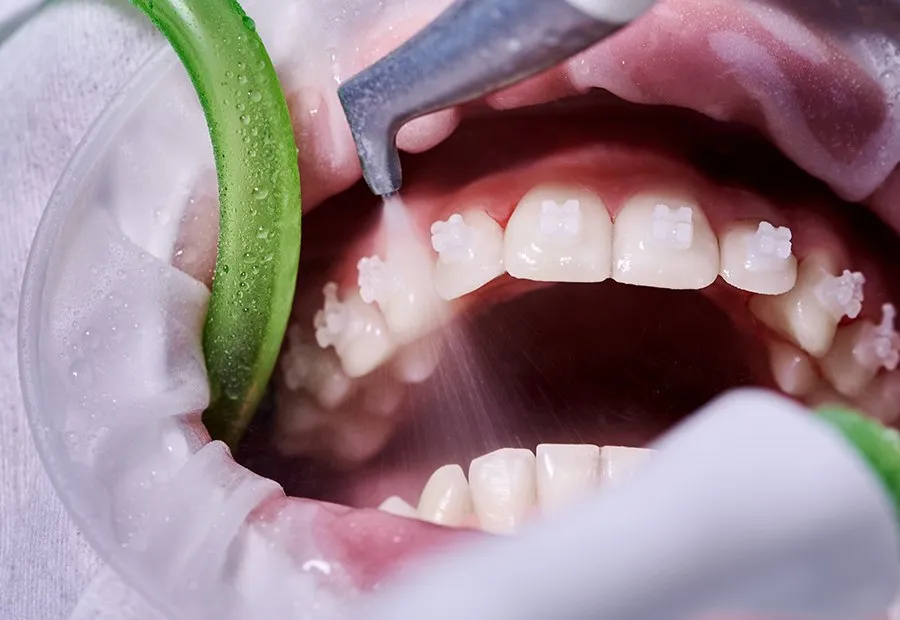
- 01Fluoride applicationFluoride strengthens enamel and increases the teeth's resistance to decay.
- 02Fissure sealantsSealants close grooves in the tooth surface so bacteria and food residue can't collect there.
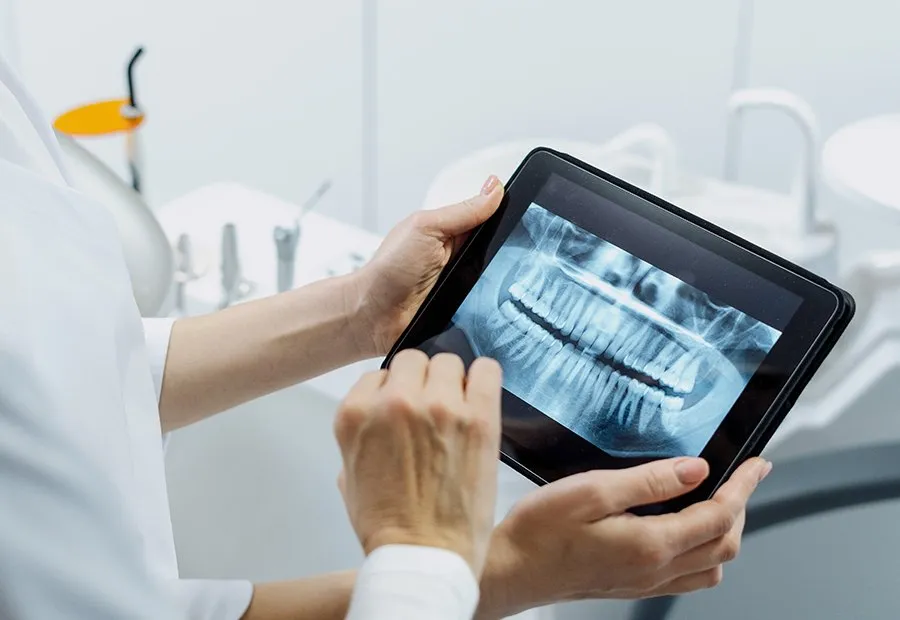
- 03Regular check-upsPeriodic examinations, including X-rays where needed, catch problems while they're still easy to treat.
Preventive dentistry aims to stop dental problems before they start. Tooth decay between the teeth, for example, is initially treatable with a simple filling; left untreated, it can progress to needing root canal treatment or even result in tooth loss. This makes prevention relevant for people aged 7 to 70.
Why preventive dentistry matters
Many people now choose preventive dentistry before problems appear rather than after. Regular check-ups let the dentist detect potential issues early and keep treatment straightforward. Protecting the tooth surface with techniques such as fluoride application and fissure sealants helps prevent decay from forming, and strengthening tooth enamel improves the teeth’s durability against everyday wear.
Preventive dentistry practices
Preventive dentistry covers several practices aimed at protecting dental health:
- Fluoride application. Fluoride strengthens tooth enamel and increases the teeth’s resistance to decay; it’s a particularly effective preventive method in children.
- Fissure sealants. A sealant closes the indentations and grooves on the tooth surface, preventing bacteria and food residue from accumulating there. In children, these are most often applied around six years of age.
- Preventive fillings. A thin coating applied to the chewing surfaces of the back teeth seeps into the natural cracks in the tooth surface, helping prevent bacterial build-up and decay.
- Periodic check-ups. Regular check-ups, including X-rays where needed, let the dentist monitor oral health and catch problems early.
Protecting oral health at home
Alongside preventive dentistry, daily habits help protect oral health. Brushing your teeth regularly, with a toothbrush and toothpaste recommended by your dentist, limits long-term plaque and bacteria build-up. Flossing removes debris between the teeth and protects gum health. Avoiding sugary and acidic foods also reduces the risk of decay and supports oral health generally.
Advantages of preventive dentistry
Catching problems early, before they become more serious, means treatment is often simpler and involves less discomfort. Preventive dentistry also focuses on preserving natural teeth, which gives more satisfying long-term results and reduces the need for prosthetic replacements.
Who preventive dentistry is for
Preventive dentistry is relevant at any age, though some groups benefit particularly:
- Children and adolescents, whose teeth are still developing, benefit from fluoride application and fissure sealants that help prevent decay.
- Pregnant women, because hormonal changes during pregnancy can affect gum health, benefit from regular dental checks.
- People with tooth sensitivity may need specific preventive treatments to reduce and manage it.
- Patients who’ve already had dental treatment can protect that work long-term with regular preventive checks.
- Denture wearers need extra care to protect their remaining natural teeth.
With any surgical or interventional procedure, results can vary from person to person.
You are reading about Preventive dentistry. Ask me anything about it, or pick a question below.
Frequently asked questions
How do you teach children the habit of brushing their teeth?
Brushing is the basis of preventive dentistry, and mechanical cleaning should start soon after the first milk teeth erupt; a parent can do this early on. After age one, use silicone finger brushes. Around age three, once manual dexterity improves, children can move to a toothbrush. From school age, they can use a normal toothbrush with a pea-sized amount of children's toothpaste.
What is topical fluoride application in preventive dentistry?
Topical fluoride application is a well-established method for preventing decay, used in two ways: individually and professionally. Individual application means fluoridated mouthwash or toothpaste that you use yourself, typically containing 0.2 to 1 mg of fluoride per millilitre, a concentration of around 200 to 1500 ppm.
How should children's eating habits change for preventive dentistry?
High-carbohydrate and sticky foods are among the main causes of decay in children, particularly when eaten as snacks without brushing afterwards. Avoiding them entirely isn't realistic, so if they are eaten, it's best to have them straight after a main meal and brush afterwards.
Videos
Send us your panoramic X-ray
Our professors reply with a treatment plan.